As healthcare organizations continue to face recruitment challenges, coverage pressures, and changing clinician expectations, many are taking a closer look at how their workforce models are built and whether those models can be sustained over time.
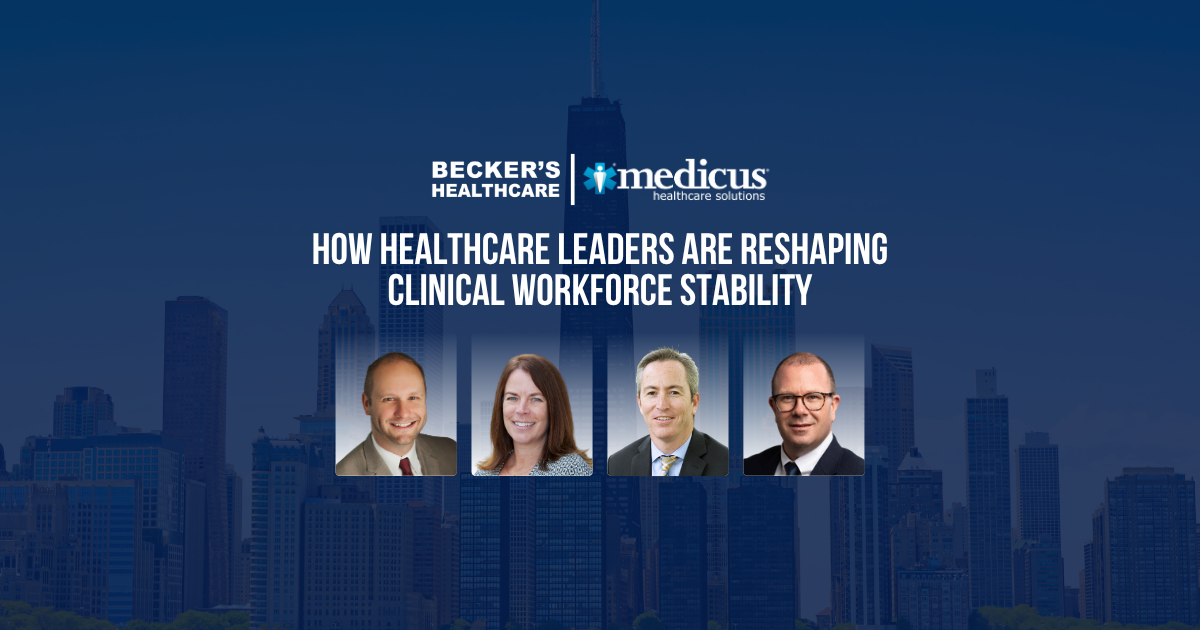
That was the focus of a Medicus-hosted panel at Becker’s 16th Annual Meeting. The session, titled The New Reality of Physician Staffing: Building Workforce Stability, brought together healthcare leaders to discuss how their organizations are moving beyond reactive staffing decisions and taking a more deliberate, system-level approach to workforce planning.
Throughout the discussion, five core themes emerged as leaders described how they are rethinking their workforce models.
1. Workforce Stability Starts with Redesigning the Care Model, Not Just Filling Vacancies
In several cases, panelists described staffing instability as the result of care models that had become increasingly difficult to sustain. When underlying care models remain unchanged, recruitment may fill an immediate vacancy without improving long-term stability.
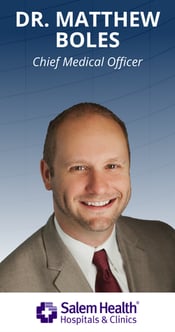
At Salem Health, Dr. Boles described how the abrupt end of a long-standing anesthesia contract forced the organization to mobilize quickly. The experience also made clear that the previous arrangement had become harder to maintain amid recruitment difficulty and heavy workloads. “I think the biggest driver of the instability of that group was their inability to recruit,” he said. In that context, locum tenens support became more than emergency coverage. It served as a bridge that helped preserve access while the organization built a new employed anesthesia care team model and stabilized the group around a different structure.
Replacing clinicians one by one may keep staffing afloat in the short term, but burnout can persist when the work, coverage expectations, and team structure are not sustainable in the first place.
2. Data-Driven Staffing Can Improve Coverage, Predictability, and Day-To-Day Sustainability
Once the care model is aligned, operational discipline becomes critical. Several speakers noted that staffing decisions are stronger when they are grounded in forecasting, scheduling visibility, and a clearer understanding of clinical demand.
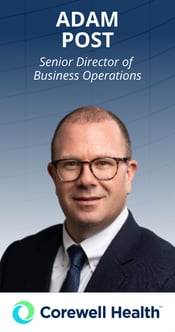
At Corewell Health, Adam Post described how his team used scheduling data, block utilization, and predictive planning to better align anesthesia coverage with actual need. “My team, our goal is to solve problems with data every day,” he said. That approach helped move staffing decisions from a reactive posture to a more proactive one, giving leaders better visibility into where pressure points were likely to emerge.
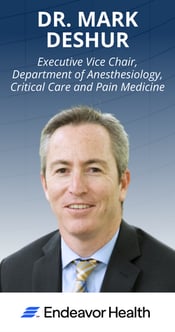
Dr. Deshur described a similar effort at Endeavor Health, where wide variation in surgical demand often created a mismatch between staffing supply and clinical need. In response, the organization strengthened its ability to forecast case volume, identify pressure points earlier, and make staffing adjustments further in advance.
“This sets us up for success because now we have some confidence that when we’re starting the day, we’re right-staffed.” - Dr. Mark Deshur.
Panelists also pointed to predictability as an important part of retention. Clinicians want to know that the schedule they receive is close to the schedule they will actually live. Fairness in how work is distributed, visibility into whether they are likely to stay late, and confidence that staffing decisions are being made consistently all shape the day-to-day experience of practice. Leaders also cautioned against running staffing models too lean. Chronic understaffing may appear financially efficient in the short term, but it can also contribute to burnout, access constraints, and further instability.
3. Retention Depends on Culture, Transparency, and Strong Leadership
Culture, communication, and leadership were recurring themes throughout the discussion, particularly as panelists reflected on what helped clinicians remain engaged during major transitions.
At Salem Health, Dr. Boles described a transition that required more than compensation changes and coverage planning. Leadership spent significant time listening to physicians, meeting regularly, and being transparent about what could and could not change. He summarized that work directly: “We really had to address culture.” Culture also involved giving physicians greater ownership of the new model, including the opportunity to help define the group's mission and vision.
Transparency emerged as a similarly important theme at Endeavor Health. Dr. Deshur described an approach that begins during recruitment and continues through everyday operations. “The decisions aren’t always popular, but we try to explain the why, and I think people appreciate that,” he said.
Other panelists added related examples. At Corewell Health, Adam Post reflected on how even substantial communication can fall short if clinicians do not feel brought into the process.
4. Team-Based Care and APP Integration Can Extend Clinical Capacity
The discussion also highlighted team-based care as a way to expand capacity, improve flexibility, and reduce the strain on physicians when care models rely too heavily on a single role. Across specialties, that can include integrating APPs and other clinicians into care delivery models that allow each member of the team to contribute more fully to patient care.
Dr. Deshur described the benefits of anesthesia care team models at Endeavor Health. “It’s provided us a lot of flexibility,” he said, referring to how the care team model allows the organization to respond more effectively to changing market conditions and day-to-day staffing fluctuations. Post shared that Corewell Health also made a deliberate move toward a more team-based anesthesia model to better support operational needs across a large, complex system.
Locum tenens also surfaced as an important complement to team-based care transitions, helping organizations maintain coverage while new models take shape. Panelists cautioned against removing that support too quickly as organizations move toward greater stability.
“The worst thing that I think we could do is to push the locums out too quickly.” - Dr. Mark Deshur
5. Long-Term Retention Is Shaped by Clinician Experience
The final theme centered on how clinicians define a sustainable role and how that definition appears to be shifting. Compensation still matters, but leaders noted that flexibility, autonomy, predictability, and the ability to build a workable life around the job are increasingly important in retention conversations.
At Salem Health, Dr. Boles reflected on the contrast between older expectations around work and what many physicians entering practice now are looking for. “They really work to live,” he said. In response, his organization introduced workload caps, more flexible FTE structures, and a more intentional effort to show that life outside work is part of the conversation rather than separate from it.
At Endeavor Health, Dr. Deshur described a similarly flexible approach that allows physicians greater control over FTE levels, call participation, time off, and work location within operational guardrails. Physicians may want different things at different stages of life, and organizations may be better positioned to retain them when they can adapt without sacrificing coverage.
In rural environments, retention extends beyond the workplace. Panelists emphasized that stability often depends on whether physicians and their families are able to build meaningful connections within the community. In many cases, turnover is not driven by dissatisfaction with the role itself, but by isolation outside of it. Intentional community integration has become a key part of sustaining the workforce over time.
Workforce Sustainability Requires Intentional, System-Level Choices
Across organizations of different sizes and locations, a sustainable physician workforce emerged as the result of intentional choices about how care is designed and supported. The discussion consistently pointed to a core set of strategies: redesigning care models, using data to improve predictability, strengthening culture and communication, building team-based approaches, and aligning roles with what clinicians need to stay.
Interested in partnering with Medicus for locum tenens coverage? Complete the short form below to connect with a member of the Medicus team.