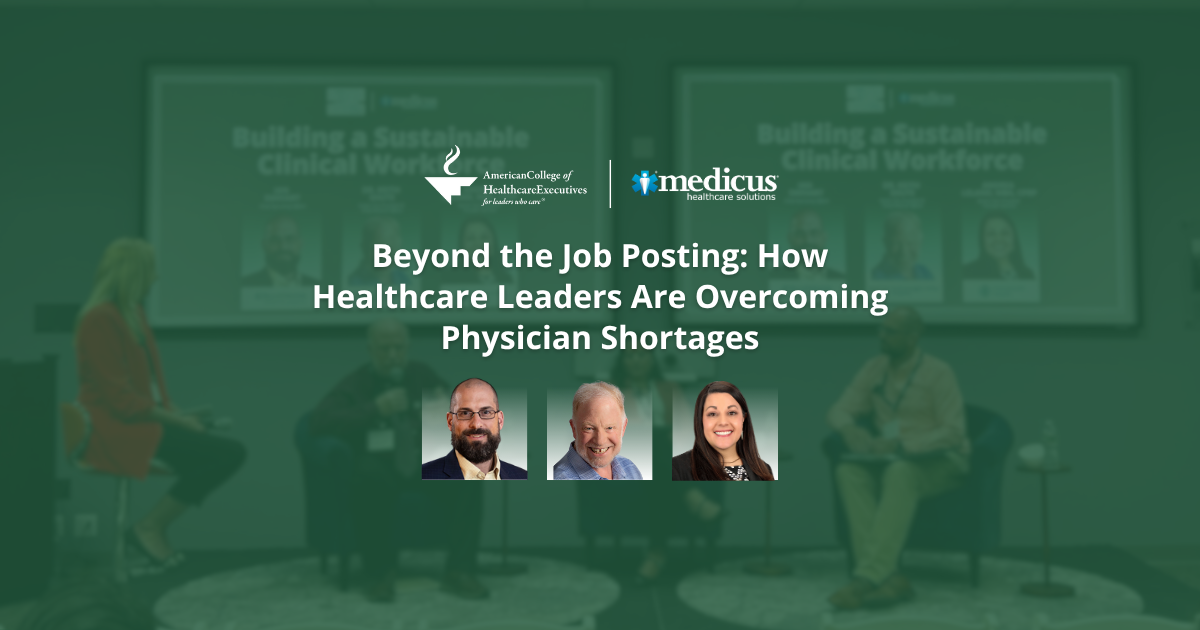
Attracting and retaining physicians requires more than filling open positions. It requires an intentional strategy that connects recruitment, clinician experience, workforce flexibility, and organizational culture. At a recent ACHE Northern New England Leadership Connections event hosted at Medicus Healthcare Solutions, leaders from Dartmouth Health, Androscoggin Valley Hospital, and Bluewater Health shared the rationale and decisions behind what is actually moving the needle in healthcare staffing today.
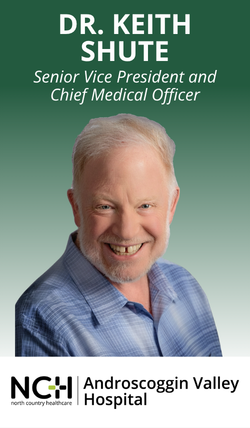
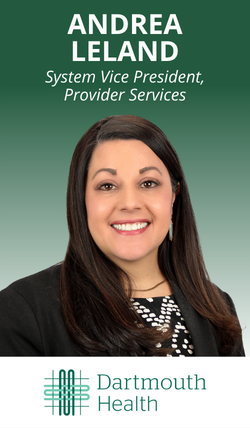
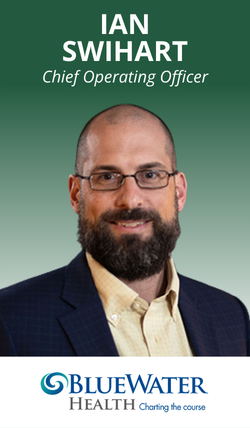
The discussion featured:
Recruitment Improves When Candidates Can See Themselves Within the Organization
Compensation gets candidates to the table. Culture, work-life balance, and mentorship are what keep them there. In a market where every organization leads with competitive pay and strong benefits, the organizations standing out are the ones helping candidates see a future, not just an offer.
At Dartmouth Health, that realization prompted a complete reimagining of the on-site visit experience. After a series of declined offers, the team recognized that candidates understood the role but weren't fully connected with the opportunity. What was missing was an authentic view of what it meant to build a career at Dartmouth, including the culture, the people, and the impact they could make. The onsite visit became an opportunity to bring that story to life and help candidates envision a future within the organization.
Dartmouth restructured the on-site visit so that everyone a candidate meets—recruiters, department chairs, and team members alike—can speak personally about why they chose to stay and what their work means to them. The result was a candidate experience that made the path forward visible.
"Everyone says they have a competitive salary, great benefits, and a great location. Now you really have to think about how you provide a great experience when that person comes to interview, because that's when you can stand out compared to other interview processes," Leland said.
Within a year, the team successfully filled six positions. The shift was not driven by compensation alone. It was about changing how the organization communicated its culture and values.
In Rural Markets, Maintaining Access to Care Requires More Than Recruitment
Full-time specialist recruitment is not always a viable solution for every rural community. Patient volume often cannot support a full-time specialist, and geography adds another layer of complexity. The organizations sustaining access in those markets have built their workforce strategy around that reality rather than against it.
At Androscoggin Valley Hospital, that has meant building access through a combination of partnerships, technology, and flexible staffing models. Partnerships with neighboring organizations and regional health systems have brought expert care in cardiology, gastroenterology, and ophthalmology into the community, with specialists splitting time across nearby communities so each one can maintain access that could not otherwise be sustained locally. Telemedicine has extended that reach further into areas like the ICU, stroke care, and mental health.
Over time, advanced practice providers have also been intentionally developed to practice at the top of their licenses, creating additional clinical capacity from within the organization. Locum tenens has played a role, too, but with a deliberate focus on recurring coverage through trusted agency relationships, so the same clinicians come back consistently and become a known presence for patients and staff rather than a temporary fix.
"Part of what we do is find ways to take advantage of the expertise of your neighbors to provide the care, whether that is shared providers across communities, telemedicine, or partnerships that bring specialty coverage to patients who would otherwise have to travel much farther to receive it," Dr. Shute said.
For rural healthcare leaders, the staffing playbook looks different by necessity. The organizations ensuring their communities have access to care are the ones willing to build strategies that do not always exist in a traditional model.
Culture Is Built Through Transparency, Visibility, and Follow-Through
Ian Swihart traces his leadership philosophy back to advice from an early mentor: focus on the small things, because small things are personal. They reach people at the individual level, where patient care is delivered and culture is shaped every day.
He is equally direct about what meaningful engagement requires from leadership.
"You have to exercise engagement. You have to involve clinicians in conversation, in decision-making. Remind them what it means to be a valued employee, independent of your employment model,” Swihart said.
Dr. Shute reinforces the same idea from the clinical leadership side. Trust between clinicians and leadership is built through visibility, consistency, and a genuine willingness to explain the reasoning behind difficult decisions, even when the outcome is not what everyone hoped for.
"Communicate with transparency, including the why. Providers may disagree with your decision, but they usually like to understand what led to it," Dr. Shute said.
Recognition follows the same principle. Not a program, not a once-a-year acknowledgment, but something specific and personal. A direct conversation, a handwritten note, a moment that tells a clinician their contribution was seen and valued. Those are the moments that shape whether someone sees a long-term future inside an organization.
Strong Interim Staffing Partnerships Create Capacity for Long-Term Workforce Planning
Leland has narrowed Dartmouth Health's contingent labor relationships to a small number of staffing partners who understand the organization deeply, its culture, its clinical standards, and what a strong fit looks like at each site.
"It's not a vendor, it's a partner. I see these people as an extension of my organization, and I invest the time to really make sure that they understand all the intimate details of our operations and our team, because they're representing me, they're representing all of my different sites," Leland said.
When Dartmouth needed to rapidly staff a new psychiatry contract at New Hampshire Hospital, the response was immediate because the relationship with Medicus was already in place. Speed and quality both came from trust that had been established long before the need arose.
Swihart draws the same line at BlueWater Health. "We want a partner that we can trust, and if a challenge arises, we know they're going to work with us to resolve it, and not just say, well, that's your problem now."
A staffing partner who truly understands your organization is not simply filling open shifts. They are representing you to every clinician they place. That distinction produces meaningfully different outcomes for the organization, the clinicians, and ultimately the patients they serve.
As the physician workforce continues to evolve, the organizations best positioned for long-term stability are those that approach recruitment, culture, retention, and external partnerships as a connected, intentional strategy rather than as isolated challenges. The leaders in this conversation are a strong example of what that looks like in practice.
Interested in learning more about how Medicus can help support your organization's clinical staffing needs? Complete the short form below to connect with a member of the Medicus team.