For many healthcare organizations, physician staffing challenges have shifted from short-term disruptions to ongoing operational realities. Persistent workforce shortages, growing patient demand, and evolving care delivery models are forcing leaders to rethink how clinical coverage is structured and sustained.
Across the country, some organizations are beginning to find ways to create greater stability despite ongoing physician workforce constraints. By aligning service lines, redesigning care delivery models, and identifying early signals of staffing instability, healthcare leaders are building more predictable approaches to managing physician workforce challenges.
Many of these strategies are continuing to evolve as healthcare leaders test new models and share what’s working. To explore the latest strategies and perspectives shaping physician workforce stability, join the Medicus-hosted session at Becker’s 16th Annual Meeting in Chicago.
A Leadership Discussion on the Future of Physician Staffing
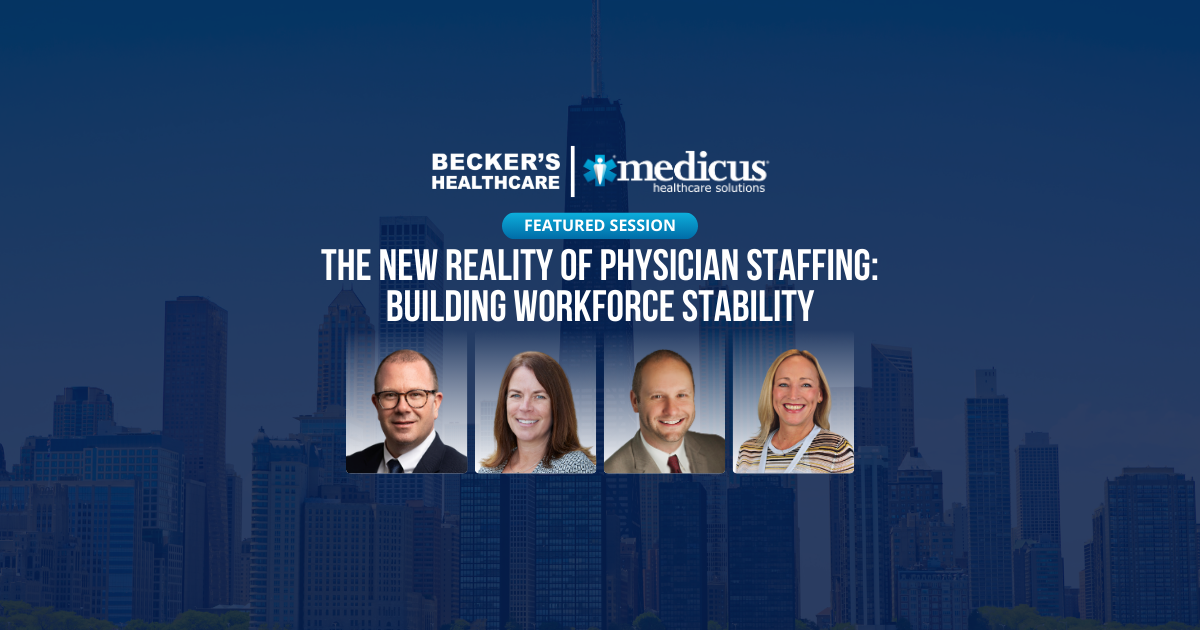
At the upcoming Becker’s 16th Annual Meeting, Medicus will host a session titled “The New Reality of Physician Staffing: Building Workforce Stability” on Monday, April 13, 2026, from 11:35 AM to 12:15 PM.
The panel will bring together experienced healthcare leaders to share fresh perspectives on today’s physician workforce challenges and the strategies they are implementing to create greater stability across clinical operations.
During the discussion, panelists will share how workforce challenges are evolving and what new approaches leaders are exploring to maintain coverage while advancing long-term workforce plans.
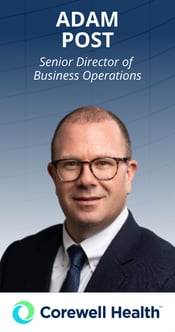
Meet the panelists joining the discussion:




Past Insights From Healthcare Leaders
Ahead of the discussion, Medicus recently collaborated with Becker’s Hospital Review on a hosted article highlighting insights shared by health system executives during recent Medicus-hosted panels.
The article, “Four Proven Approaches to Stabilizing Clinical Operations”, highlights several priorities healthcare leaders have been focusing on as they work to strengthen clinical coverage and keep long-term workforce plans moving.
These insights provide helpful context for the broader discussion and set the stage for the new ideas and strategies leaders will explore during the upcoming Becker’s session.
Four Approaches Leaders Are Using to Build Clinical Workforce Stability
While approaches vary by market and specialty, leaders consistently pointed to four focus areas that can help stabilize clinical operations amid ongoing workforce constraints:
1.) Strengthening Alignment Across Service Lines
Many leaders are building unified service lines to reduce variability and improve coverage flexibility across sites. When leadership structures, staffing practices, and performance metrics align across hospitals, health systems can coordinate coverage more effectively, reduce silos, and support more consistent care delivery.
2.) Redesigning Care Delivery
Rather than filling every staffing gap with additional physician hours, health systems are building models that distribute work more effectively and make coverage more predictable across inpatient and outpatient settings. Common approaches included establishing care team models in specialties such as anesthesia, hospitalist-style models in areas such as OB/GYN and gastroenterology, and selective shifts in coverage strategy, including moving from an outsourced to an employed staffing model.
3.) Investing in Culture
Culture consistently surfaces as a key differentiator for both recruitment and retention. As a result, health systems described investing in scheduling flexibility, including self-scheduling, establishing clearer, more consistent call expectations, and making clinician well-being a visible operational priority.
4.) Identifying the Early Warning Signs of Staffing Instability
To stay ahead of disruption, teams are using operational data to monitor leading indicators of emerging instability, such as slower radiology read times, longer time-to-fill for open shifts, or reduced call availability in specialties such as anesthesia. Several leaders also described using historical staffing and demand trends to anticipate predictable periods of overstaffing or understaffing and adjust plans earlier.
Moving from Strategy to Execution
While these strategies are actionable, execution can be challenging when teams are already operating at capacity. Healthcare executives consistently shared that workforce changes are easier to implement when leaders have a stable coverage plan that protects bandwidth for planning and change management.
Programs such as the Medicus Transition Program are designed to address multi-FTE coverage gaps through a consultant-led, project-based staffing approach that allows health systems to maintain coverage while advancing longer-term workforce plans.
Continue the Conversation at Becker’s Annual Meeting
Looking for the latest strategies to manage physician workforce challenges? Join Medicus and healthcare leaders from across the country for an interactive discussion titled “The New Reality of Physician Staffing: Building Workforce Stability” on Monday, April 13, 2026, from 11:35 AM to 12:15 PM at the Becker's Annual Meeting.
Panelists will share perspectives on today’s staffing environment and what healthcare organizations are doing now to support workforce stability.
Interested in learning more about the Medicus Transition Program? Complete the short form below to connect with a member of the Medicus team.

.png)