
Blog Highlights
How Can Healthcare Organizations Prepare for Increases in Patient Volumes?
How Can a Locum Tenens Agency Help Manage Increases in Patient Volumes?
How Can Medicus Support Healthcare Organizations During Periods of Increased Demand?
Preparing for Future Demand by Establishing Proactive Staffing Plans
Planning for Flu Season Before Patient Volumes Rise
Healthcare organizations routinely face fluctuations in patient volumes. Some increases are predictable, such as seasonal spikes in flu cases or scheduled procedural demand. Others may emerge with little warning, such as a rise in surgical referrals, a local outbreak, or an unexpected change in community demand.
Without adequate preparation, healthcare organizations can face increased hospital occupancy, emergency department overcrowding, longer wait times, and a higher risk of staff fatigue, burnout, and turnover. The broader impact may include reduced patient access and potential revenue loss.
Preparing for demand fluctuations can help healthcare organizations respond more effectively when they need additional clinical capacity. A flexible workforce strategy, including access to locum tenens clinicians, can provide an additional resource for maintaining coverage as patient volumes change.
How Can Healthcare Organizations Prepare for Increases in Patient Volumes?
To navigate fluctuations in patient volumes effectively, health system leaders can evaluate where clinical coverage may become constrained and develop workforce contingency plans before additional capacity is required.
An adaptable staffing strategy may include:
- Identifying specialties and service lines most vulnerable to coverage gaps
- Forecasting seasonal or anticipated changes in patient demand
- Establishing clinical staffing resources that can expand as volumes increase
- Monitoring workforce capacity alongside patient volumes, access, and throughput
Planning ahead allows healthcare leaders to identify potential coverage constraints and establish workforce resources before gaps affect access, throughput, or existing teams. Locum tenens coverage can provide added flexibility during periods of higher demand while supporting continuity of care.
How Can a Locum Tenens Agency Help Manage Increases in Patient Volumes?
A locum tenens agency can help healthcare organizations manage increases in patient volumes by providing access to flexible clinical coverage when existing staffing levels are no longer sufficient to meet demand.
Locum tenens staffing can support healthcare organizations during seasonal surges, unexpected increases in patient volumes, provider vacancies, service-line growth, and other periods when clinical capacity may become constrained.
By supplementing existing teams with experienced locum tenens physicians and advanced practitioners, healthcare organizations can expand clinical capacity, maintain patient access, and reduce pressure on permanent staff. Locum tenens coverage can also provide greater flexibility while organizations address longer-term workforce needs or prepare for anticipated changes in demand.
How Can Medicus Support Healthcare Organizations During Periods of Increased Demand?
To help healthcare organizations prepare for seasonal volume fluctuations and other workforce challenges, Medicus created its project-based interim staffing solution, the Medicus Transition Program. Designed to address multiple FTE gaps in coverage, the Medicus Transition Program helps healthcare organizations strengthen clinical capacity and maintain operational stability during periods of increased demand.
Through the Medicus Transition Program, healthcare organizations can:
- Prepare for anticipated increases in patient volumes with a tailored staffing strategy aligned to organizational goals and coverage needs.
- Expand clinical capacity when demand rises by providing experienced clinicians to support access to care and continuity of services.
- Reduce administrative burden through dedicated support for recruitment, licensing, credentialing, onboarding, scheduling, and program management.
- Maintain stability during periods of change, including seasonal demand fluctuations, provider turnover, staffing model transitions, and facility expansion.
The following example highlights how one health system partnered with Medicus to manage increasing patient volumes and maintain access to care.
Reducing a 40,000-Case Backlog to Restore Radiology Access
Amid a statewide radiologist shortage and rising patient volumes, one of Michigan’s largest nonprofit health systems faced a growing backlog of more than 40,000 cases. Dependent on a third-party group for all reads, the health system experienced prolonged turnaround times, with patient wait times exceeding 45 days in some locations. Seeking to restore stability and prevent further disruption to diagnostic services, leadership engaged the Medicus Transition Program to supplement its outsourced group.
Within days, Medicus implemented a strategic response, providing a dedicated team of locum tenens radiologists to augment the existing group. Medicus collaborated closely with hospital leadership to streamline onboarding, enhance system access, and equip each locum tenens radiologist to operate efficiently without delay. As a result, the Medicus Transition Program helped the health system stabilize coverage, improve turnaround times, and rebuild community trust.
Key results:
- High-quality providers and streamlined credentialing: Medicus credentialed 41 radiologists in as little as one week to support immediate needs.
- Equipment and IT coordination: Medicus helped facilitate equipment purchases and coordinated IT system access to ensure provider efficiency.
- Significant backlog reduction: The Medicus locum tenens radiologists helped reduce the backlog to 3,500 within five weeks, significantly improving patient access.
"The Medicus Transition Program was more efficient and effective than utilizing multiple locum agencies due to their expertise and resources. Medicus enabled us to have fewer meetings and expend fewer resources navigating this complex work. I highly recommend Medicus to other healthcare organizations because they were extremely accountable, instilled confidence in us, and became an extension of our team. As a result, Medicus created an easy and comfortable process in the face of a complex and anxiety-inducing staffing situation." – Health System Leadership
Preparing for Future Demand by Establishing Proactive Staffing Plans
Even when staffing is stable, a contingency plan can clarify where additional clinical capacity may be needed and how to activate supplemental coverage when demand increases.
By identifying potential pressure points, available staffing resources, and coverage options in advance, healthcare organizations can build greater flexibility into their workforce strategy. Working with a locum tenens agency can further support that approach by providing access to pre-vetted clinicians and supplemental coverage when additional capacity is needed.
Predictable seasonal surges provide a clear example of how contingency planning can be applied. Flu season, in particular, gives healthcare organizations an opportunity to evaluate coverage needs before patient volumes peak.
Planning for Flu Season Before Patient Volumes Rise
Flu season is one of the most predictable examples of how patient demand can increase across a health system. As influenza activity rises, emergency departments, hospital medicine teams, and intensive care units may all experience greater pressure.
Recent flu seasons demonstrate how seasonal demand can affect hospital utilization and reinforce the importance of aligning workforce planning with anticipated increases in patient volumes.
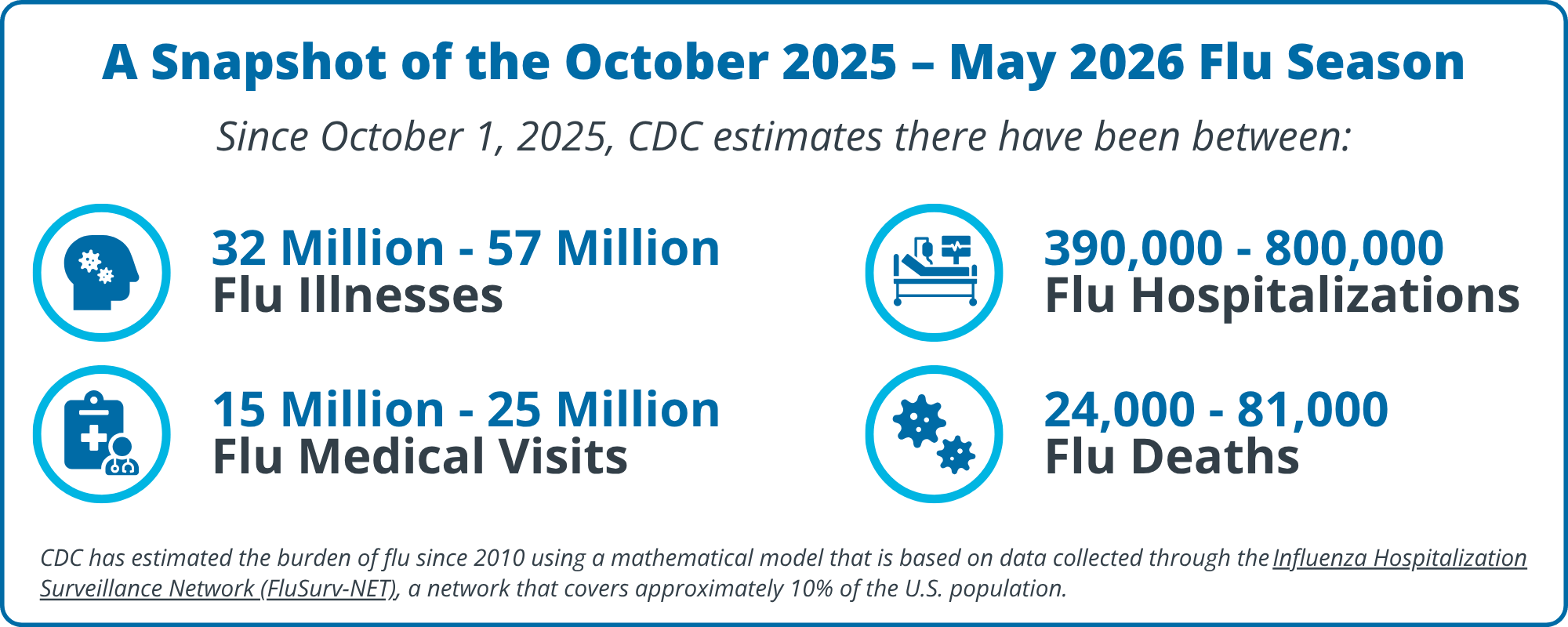
Flu season follows a recurring pattern, giving healthcare organizations an opportunity to prepare before demand reaches its highest levels. Reviewing historical patient volumes, assessing current vacancies, identifying service lines with limited capacity, and establishing access to supplemental coverage can help leaders build greater flexibility into their staffing plans.
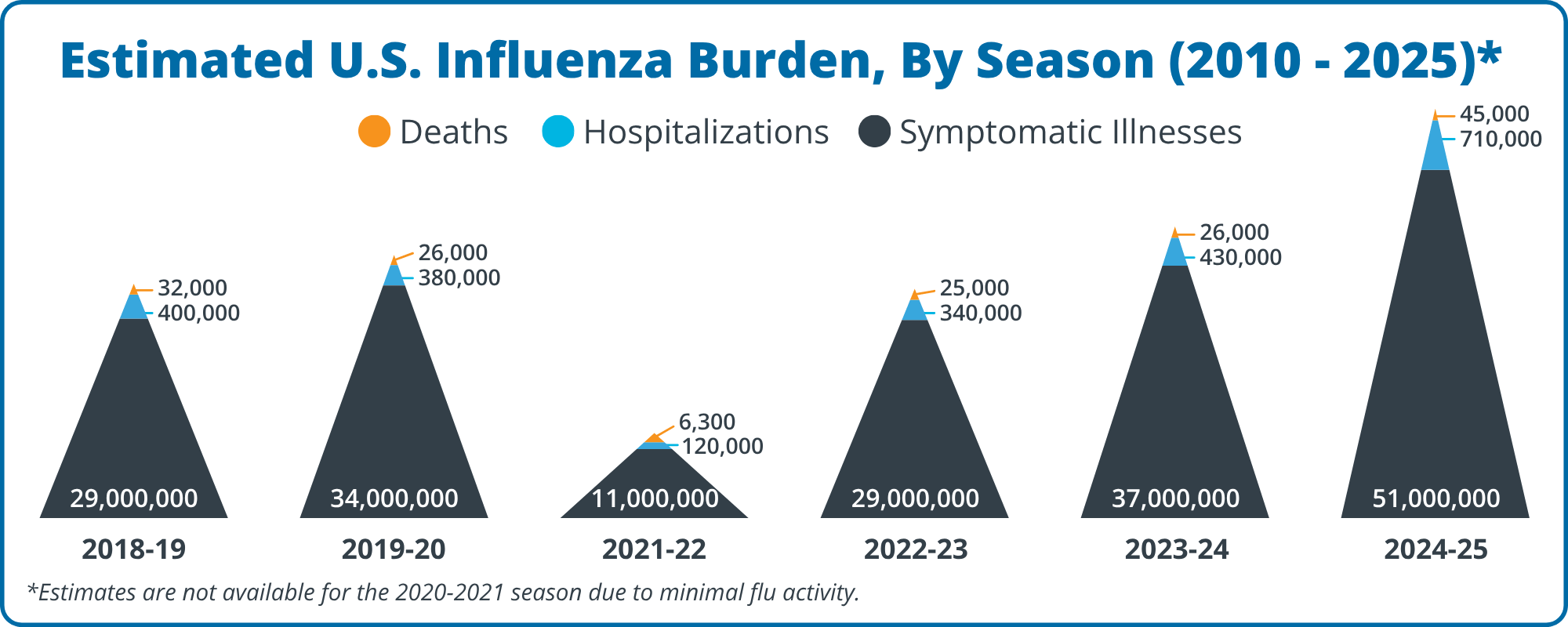
Healthcare leaders who prepare in advance are better positioned to manage seasonal increases in patient volumes while keeping care consistent and teams supported. The Medicus Transition Program can help organizations add clinical capacity during periods of increased demand. For organizations managing broader locum tenens staffing needs, MedicusOne helps leaders manage locum tenens staffing through a centralized MSP/VMS platform that improves visibility, coordination, and oversight of contingent labor. Having the right staffing resources and workforce visibility in place can give healthcare organizations greater flexibility as patient demand changes.
Medicus has a pipeline of dedicated project teams ready to support health systems through seasonal and unexpected increases in patient volumes. To learn how Medicus can support your healthcare system this season, complete the short form below.

.jpeg)