
Hospital medicine is entering a period of sustained growth in patient demand. As a result, healthcare leaders are reassessing how to ensure reliable coverage and support evolving care needs.
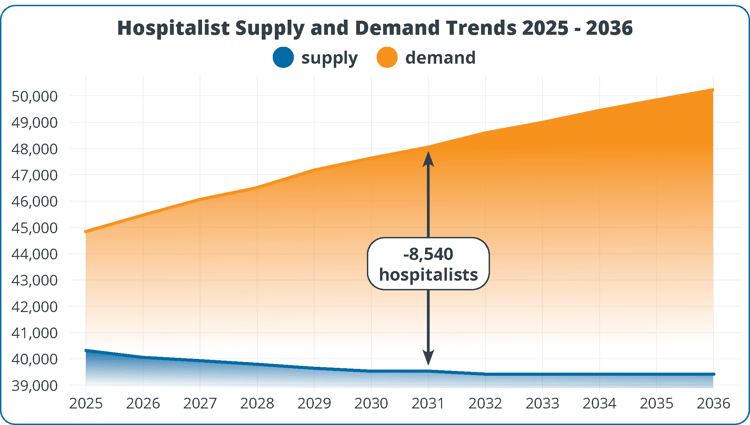
Explore the Data & Trends Behind the Hospitalist Shortage
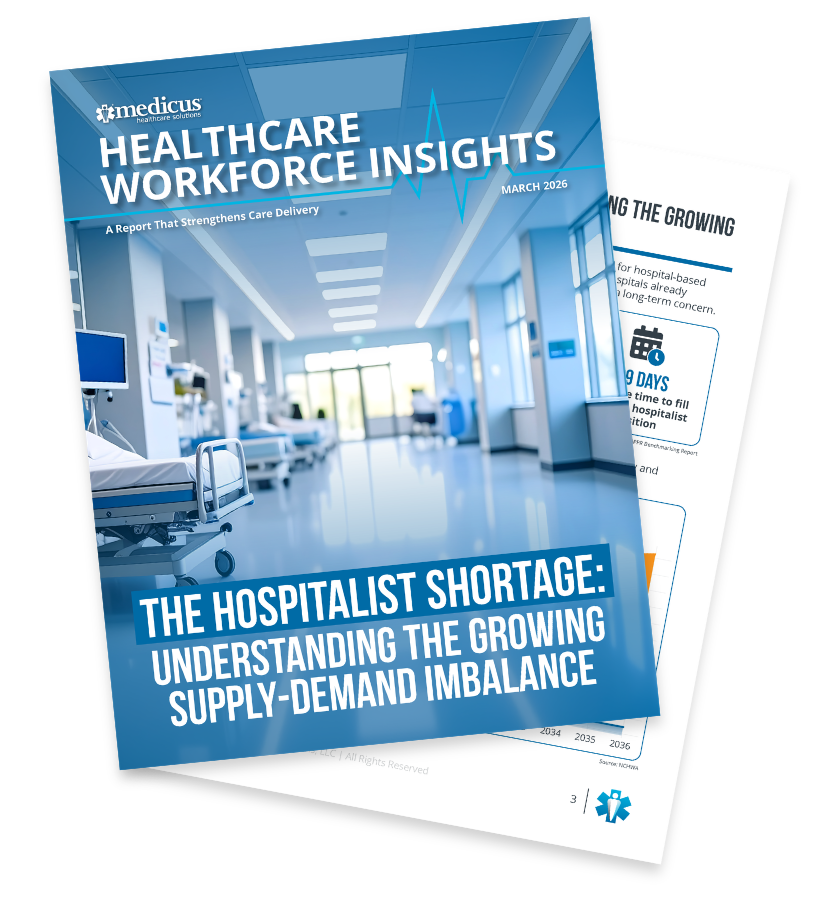
Explore the Data & Trends Behind the Hospitalist Shortage
By the Numbers: Understanding Workforce Size & Distribution
The United States is home to approximately 40,120 active hospitalists, according to the National Center for Health Workforce Analysis (NCHWA). 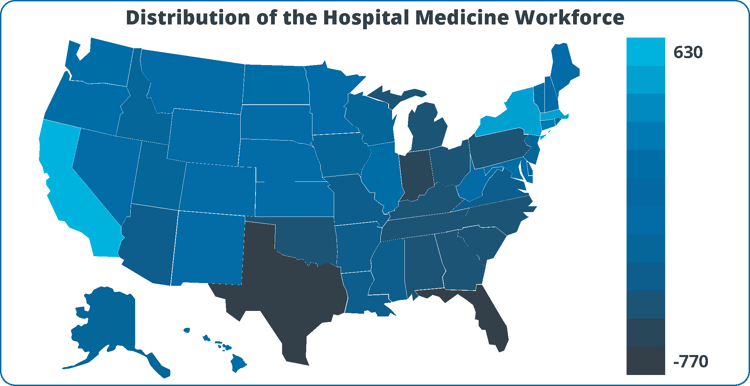
Nationally, the hospital medicine workforce averages roughly 10 hospitalists per 100,000 people, with distribution varying significantly by region. 
Locum Tenens Hospitalists: Sustaining Coverage Through Interim Staffing
As the demand for hospital medicine continues to rise, hospitals and health systems are increasingly relying on locum tenens hospitalists to ensure patient access to care. 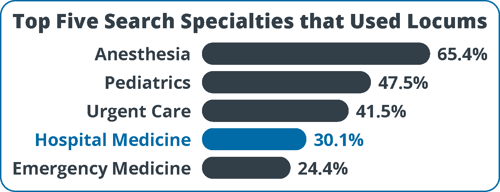
As inpatient volumes continue to increase over the next decade, locum tenens hospitalists are likely to remain a key lever for sustaining coverage and access.
Key Drivers: Contributing Factors Behind the Hospitalist Supply-Demand Imbalance
Burnout: Impacting Retention and Coverage Capacity
Burnout remains a significant challenge in hospital medicine, reflecting broader trends across physician specialties. In a 2025 Medscape survey, 32% of hospitalists reported that their work-life balance had worsened compared with three years earlier, a trend that can contribute to higher turnover, earlier retirement, and reduced clinical capacity.

An Aging Population: Driving Inpatient Demand & Case Complexity
The aging population is expected to increase demand for hospitalist care, as older adults require more frequent inpatient services. 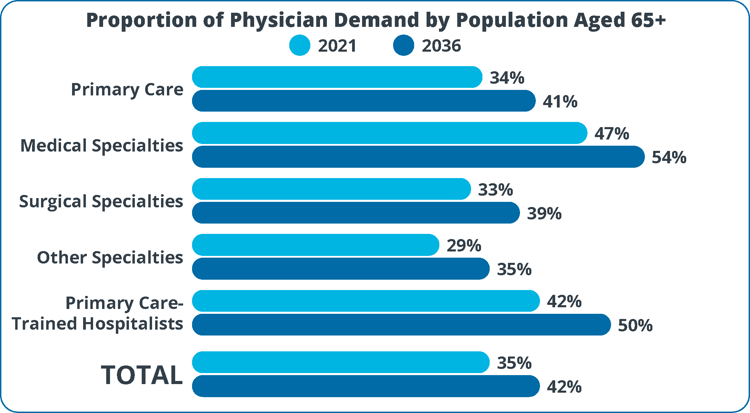
Rising Inpatient Volumes: Increasing Utilization & Length of Stay
Inpatient demand is projected to rise over the next decade, driven by an aging population, increased incidence of chronic disease, and case complexities, increasing both utilization and length of stay.
Actionable Approaches: Stabilizing Hospital Medicine Access
Integrate Advanced Practice Providers: Strengthening Inpatient Capacity
As demand rises and hospitalist capacity tightens, expanding inpatient teams with nurse practitioners (NPs) and physician assistants (PAs) is one strategic lever to protect access as adoption grows steadily within hospital medicine. 
A well-designed APP model can extend hospitalist teams by standardizing day-to-day inpatient management and reducing avoidable bottlenecks, thereby supporting hospitalists and helping maintain coverage as volumes rise.
Implement a Staffing Contingency Plan: Ensuring Access to Care
Hospital medicine remains one of the most actively recruited specialties, ranking fifth among the most-searched specialties in the 2025 AAPPR Benchmarking Report. As demand rises and competition for talent intensifies, a staffing contingency plan gives leaders a clear playbook to maintain access during periods of staffing strain.


Partnering with a reputable interim staffing agency, like Medicus, can help organizations address immediate coverage gaps, while Optimum, our permanent recruitment division, supports longer-term hiring and pipeline development.
Utilize Locum Tenens Hospitalists: Stabilizing Coverage
Locum tenens hospitalists can help bridge immediate coverage gaps and serve as a strategic workforce resource in hospital medicine. Beyond filling vacancies, leaders can use locum tenens hospitalists to stabilize operations, support evolving care models, and build capacity as long-term staffing strategies take shape. 
For a comprehensive look at the factors contributing to the rising demand in hospital medicine and actionable strategies leaders can leverage to maintain access to care, download the complete report here.
Frequently Asked Questions About Hospital Medicine
How Many Active Hospitalists Are in the United States?
There are approximately 40,120 hospitalists in the U.S.
What Are the Key Challenges Facing the Hospitalist Workforce?
Challenges include an aging population, increasing patient volumes, physician burnout, and a limited pipeline of new providers.
What Percentage of Internal Medicine Residents Choose to Sub-Specialize?
In 2024, 87.6% of internal medicine residents subspecialized in fellowships.
What Are the Projected Increases in Inpatient Volumes?
How Many Locum Tenens Hospitalists Are There in the U.S.?
Approximately 13.4% of the hospitalist workforce has worked or currently works as a locum tenens, according to Medicus' proprietary data as of March 2026.
What Are the Benefits of Moving from an Outsourced to an Employed Hospital Medicine Model?
Moving from an outsourced to an employed hospital medicine model can give hospitals greater operational oversight and efficiency, along with more aligned and coordinated patient care. With hospitalists more directly integrated into the organization, health systems often have more control over workflows, performance expectations, and care delivery across teams.
One hospital leader shared how that transition looked in practice with support from the Medicus Transition Program:
“Medicus was on top of everything throughout the transition, including credentialing, scheduling, and hospitalist assignments. Their team responded promptly when we needed shift coverage and consistently found solutions to the challenges we faced. With Medicus, we were able to move our program to an employed model, leading to greater operational control, improved care coordination, and stronger overall program stability.” - Hospital Leadership


%20(2)%20(1).png)