Physician shortages are expected to accelerate in 2026, with impacts varying across specialties and regions. Our Q1 Healthcare Market Report explores where shortages are projected to be most pronounced, locum tenens growth, perspectives on AI, and other workforce and market trends influencing healthcare this quarter.
To access the full report, please complete the short form below.
View the Q1 Healthcare Market Report
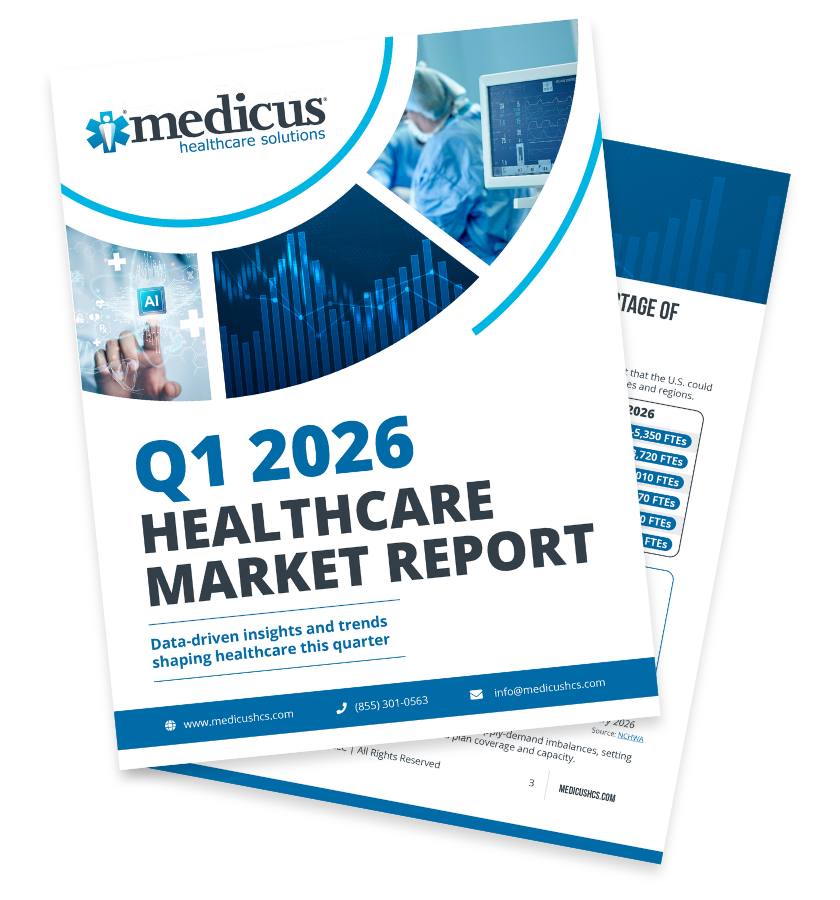
View the Q1 Healthcare Market Report
Q1 2026 Healthcare Market Report Snapshot
The United States is Projected to See a Shortage of 96,430 FTE Physicians in 2026
Estimates from the National Center for Health Workforce Analysis (NCHWA) suggest that the U.S. could see a shortage of more than 96,000 FTE physicians in 2026, with uneven impact across specialties and regions. 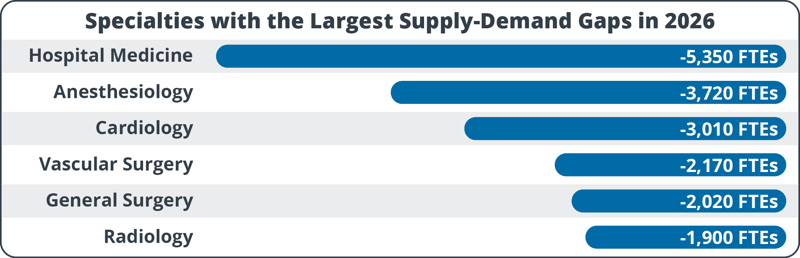
Cardiologist Access is Under Strain as Demand Outpaces Supply
Cardiovascular disease prevalence and workforce attrition continue to challenge cardiologist availability, with downstream effects on patient access and organizational performance.


As the gap widens, demand in 2026 is projected to exceed the current supply of practicing cardiologists, a mismatch that can intensify hiring delays and vacancy-related costs.
Locum Tenens Growth Expected Through 2026
Within healthcare staffing, the locum tenens segment remains strong, with 4% growth expected in 2026. That outlook reflects sustained reliance on locum tenens physicians and advanced practitioners as organizations work to maintain coverage, protect access, and sustain service lines amid ongoing workforce constraints. 
CMS Policy is Fueling ASC Growth, but Staffing Remains a Concern
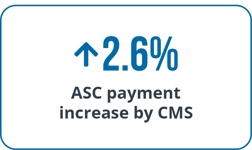
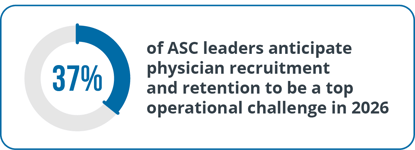
CMS policy updates and continued momentum toward lower-cost sites of care position ambulatory surgery centers for continued growth in 2026. However, the question for many ASC leaders is not whether outpatient demand will be there, but whether they can overcome workforce constraints.

New GME Census Data Highlights Where the Physician Pipeline Is Concentrated
New graduate medical education (GME) data from the American Medical Association (AMA) and the Association of American Medical Colleges (AAMC) provide a current snapshot of the physician pipeline that healthcare leaders will recruit from over the next several years. 
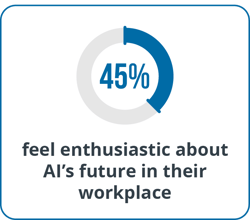
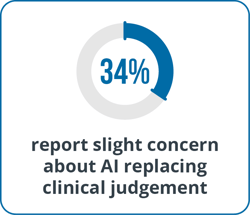
Physicians Are Optimistic About AI With Clear Expectations and Concerns
For many health systems, AI is being implemented to reduce administrative work, streamline workflows, and support clinical capacity. As adoption grows, physician perspectives offer a practical view of where it helps and where concerns remain.
Gain deeper insights into these trends and other key developments shaping healthcare this quarter by downloading the complete Q1 2026 Healthcare Market Report here.
Explore Additional 2026 Healthcare Trends
Interested in healthcare trends beyond this quarter's snapshot? Our 2026 trends blogs provide a broader view of what to watch in the year ahead for healthcare leaders and clinicians.