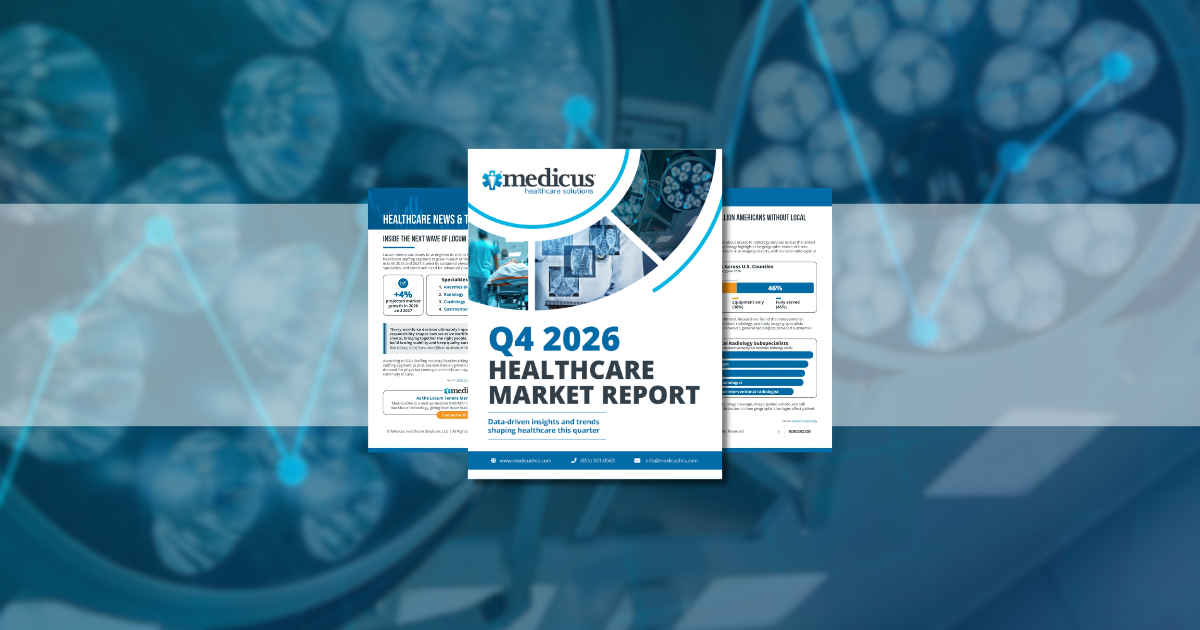
What do the latest healthcare news and trends reveal about the challenges and opportunities shaping workforce planning? Our Q4 2026 Healthcare Market Report explores the latest industry developments, from projected surgeon shortages and gaps in radiology access to physician burnout, locum tenens market growth, and more.
Key Takeaways
- Locum tenens growth: SIA projects the locum tenens market will grow 4% in 2027, driven by physician demand in revenue-generating specialties and continued need for CRNAs.
- Imaging deserts: 6.4 million Americans live in true imaging deserts, with no local radiologist or imaging equipment, according to a 2026 study in Academic Radiology.
- Surgeon shortages: The U.S. faces a projected shortfall of 27,940 surgeons by 2038, as supply falls 4.2% and demand rises 12.8%, according to research presented at ACS Clinical Congress 2026.
- Physician recruitment: The average physician search takes 213 days to fill, and half of physician searches were still open at the end of 2025, according to the 2026 AAPPR Benchmarking Report.
- Physician burnout: 58% of physicians experienced debilitating stress in the past year, and 42% have considered or taken steps to retire early or leave clinical practice, according to The Physicians Foundation.
To access the complete Healthcare Market Report, complete the short form below.
Download the Q4 2026 Healthcare Market Report

Download the Q4 2026 Healthcare Market Report
Inside the Next Wave of Locum Tenens Growth
Locum tenens continues to strengthen its role in healthcare workforce strategy, standing as the only healthcare staffing segment to grow in each of the past three years. SIA projects another 4% growth in both 2026 and 2027, fueled by sustained physician demand, particularly in revenue-generating specialties, and continued need for advanced practitioners, including CRNAs.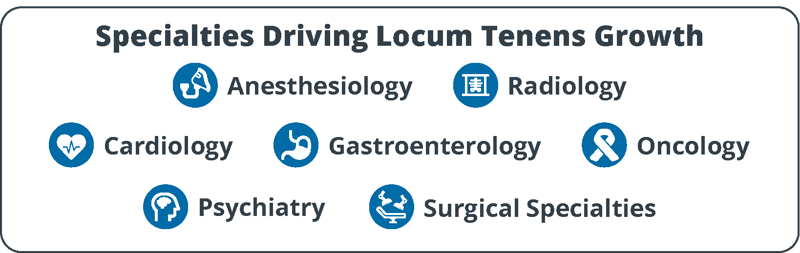

Ready for greater visibility across your clinical workforce? MedicusOne centralizes talent, credentialing, and workforce technology through a next-generation VMS/MSP solution, helping healthcare leaders simplify management, strengthen accountability, and stay in control. Connect with us to learn more.
Imaging Deserts Leave 6.4 Million Americans Without Local Radiology Access
Radiologist shortages have long raised concerns about access to radiology services across the United States. A recent study published in Academic Radiology highlights the geographic extent of these workforce gaps, finding that 6.4 million people live in true imaging deserts, with no local radiologist or imaging equipment.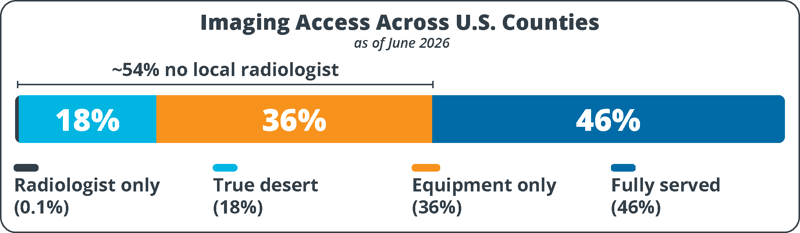
Access to radiology subspecialists is even more limited. Researchers found that interventional radiology, neuroradiology, nuclear radiology, pediatric radiology, and body imaging specialists were all represented in just 6% of U.S. counties.
Surgeon Supply Set to Fall 4.2% as Demand Climbs 12.8% by 2038
The gap between surgeon supply and demand is projected to widen significantly in the years ahead. In what the American College of Surgeons (ACS) calls the first nationwide study of its kind, researchers at Case Western Reserve University School of Medicine project that surgeon supply will decline 4.2% between 2023 and 2038, while demand rises 12.8% over the same period.
The Average Physician Search Takes 213 Days to Fill
Physician recruitment remains a lengthy process, with searches extending for months across several high-demand specialties. According to the 2026 Association for Advancing Physician and Provider Recruitment’s (AAPPR) Benchmarking Report, the average time to fill a physician position is 213 days, highlighting the continued challenges healthcare organizations face in securing clinical talent.
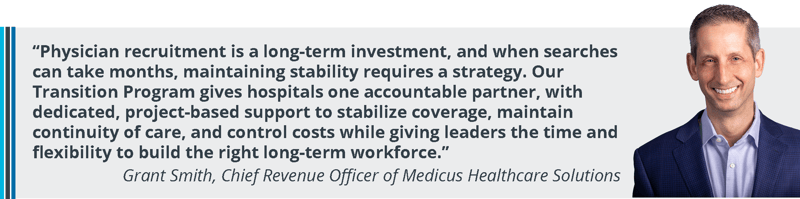
Facing multiple provider gaps while permanent recruitment takes time? The Medicus Transition Program provides a project-based approach to workforce stabilization, deploying dedicated provider teams and managing coverage, schedules, credentialing, and onboarding while your organization builds toward its long-term workforce. Learn more about the Medicus Transition Program here.
Burnout Is Pushing Physicians to Rethink How They Practice
According to The Physicians Foundation’s 2026 Survey of America’s Physicians, more than half of physicians often experience burnout, and the impact reaches well beyond the workday.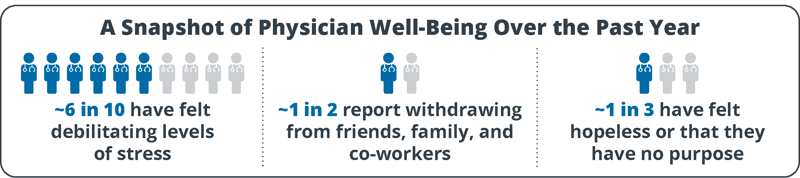
Well-being concerns are also influencing career decisions, with many physicians considering or taking steps to change how they practice.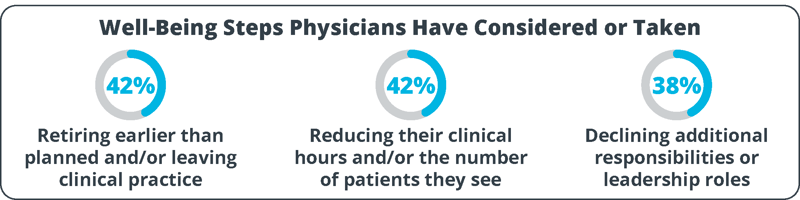
Each physician who cuts back, steps aside, or retires early takes capacity out of a system that is already stretched. How well physicians are supported today will help shape the strength of the workforce, and the care patients can count on, in the years ahead.
For a closer look at these findings and other trends shaping healthcare this quarter, download the complete Q4 2026 Healthcare Market Report.
Frequently Asked Questions About Q4 2026 Healthcare Market Trends
What Is Driving Locum Tenens Growth in 2027?
SIA projects the locum tenens market will grow 4% in 2027. Growth is driven by sustained physician demand in specialties such as anesthesiology, radiology, cardiology, oncology, and surgical specialties, and by continued need for advanced practitioners, including CRNAs.
What Is an Imaging Desert?
An imaging desert is a county with no local radiologist and no installed imaging equipment. A 2026 study in Academic Radiology found that 6.4 million Americans live in true imaging deserts.
How Large Is the Projected U.S. Surgeon Shortage?
How Long Does It Take to Fill a Physician Position?
According to the 2026 AAPPR Benchmarking Report, the average physician search takes 213 days to fill, and the average total time from search opening to start date is 318 days.
How Is Burnout Affecting the Physician Workforce?
How Can Hospitals Maintain Coverage During Long Physician Searches?
Locum tenens and project-based support can keep services running while a physician search continues, helping organizations maintain surgical schedules, continuity of care, and patient access.